Chrysoprase
After the hard part, before the good part.
What the tradition reads it as
Frederick the Great had it set into the walls at Sanssouci, and its folklore followed royal use rather than village practice — an optimistic stone, assigned to the turn rather than to endurance through it.
When people wear it
Worn in the first week that is measurably easier than the six before it, while you are still deciding whether to trust that.
What you are actually holding
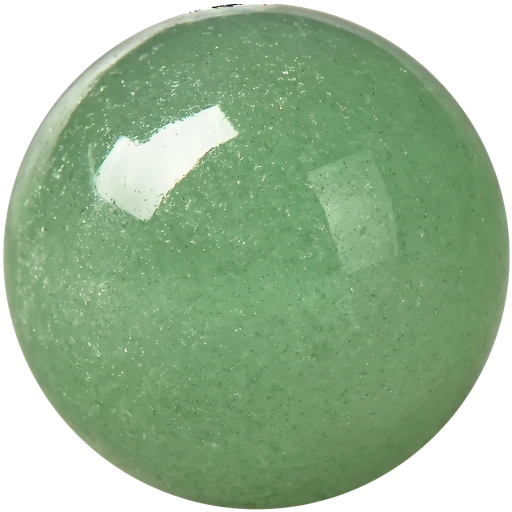
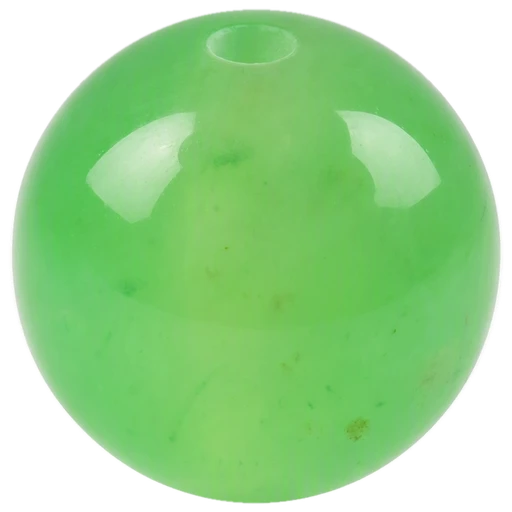
Chalcedony coloured by nickel, which produces an apple green nothing else in silica quite reaches. Dyed agate is the standard substitute and it looks flat by comparison; real material glows slightly at a thin edge.
How to look after it
7 Mohs and hard-wearing, but the nickel colour can pale under months of strong direct sun. Ordinary soap and water; store out of the light.
Chrysoprase is chalcedony coloured by nickel, giving a green closer to a Granny Smith than to emerald — Frederick the Great had it set into the walls at Sanssouci. Tradition places it at the turn: after the hard part, before the good part. The colour is entirely natural, and dyed green agate is the usual substitute.
In a reading
Nickel green, assigned to the turn after the hard part.
Crystal meanings are described as cultural tradition, not fact. Stones and readings are offered for reflection, not as medical, financial, or legal advice.